

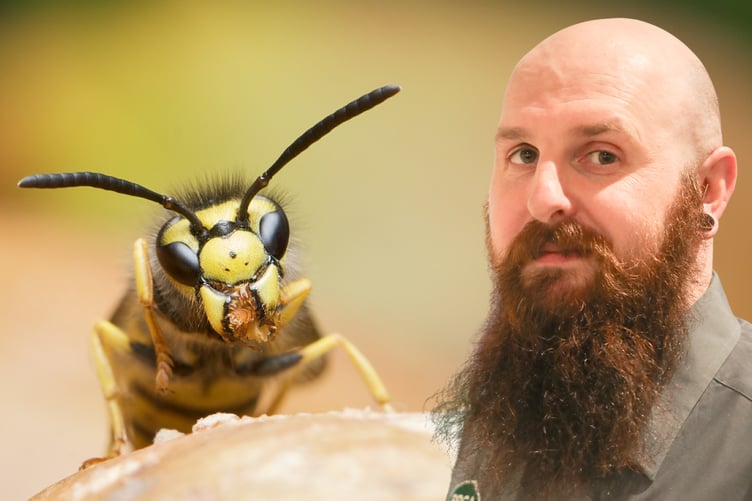
If you’ve done ‘No Mow May’ June is the perfect time for a garden tidy up – and an opportunity to spot any early signs of potential pest problems that could develop over the summer.
Experts at British Pest Control Association (BPCA) are advising householders to keep a weather eye out for indications of pest activity when gardening, while at the same time taking steps to protect nature.
Gardens across the UK can be havens for wildlife and provide crucial resources for pollinators such as bees and butterflies, but some species, such as rats and wasps can cause problems in the long run.
BPCA’s Technical Manager, Niall Gallagher, said: “British wildlife is diverse and it can be really exciting to see garden birds and insects sharing your outdoor space.
 Smallholding comes with stables, indoor pool, fishing ponds and bluebell wood
 Guide price slashed for local cinema on the market for over a year
 Grade II listed Welsh Marches school and master’s house set for an exciting future
  Monmouth mansion with cattery, offering investment opportunity goes up for auction
“But pest activity in gardens isn’t uncommon and it’s important to understand what the signs are, what the risks might be and when you might need to call for help from a BPCA member.”
In spring, wasps are busily building nests which, by late summer, can become a colony of thousands. Wasp nests that are in low traffic areas, well away from garden paths or seating can often be safely left alone as wasps are pollinators and predators of common plant pests such as aphids.
If a nest is sited near a regularly used door, gate, path, shed or seating area, consider having it removed. It is especially important to do this if anyone in the household is known to be allergic to wasp stings.
Mosquitoes will also be laying eggs in standing water, so now is a good time to empty out and clean water butts, bird baths, watering cans and any other items that may have collected water.
Rats and mice can be attracted by food sources and nesting sites in a garden, so look out for any nibbled packaging in the shed, gnaw marks, burrows in the soil or droppings.
Remove potential nesting sites by keeping yards and gardens clean and tidy, cutting back overgrown areas and clearing any piles of wood or debris.
Bird feeders are a huge attractant for rodents. BPCA recommend not putting bird feed out in your garden at all, but if you are going to do it, you should use a feeder basket if possible, to catch any cast-off seed.
Niall added: “We often get calls about ants too but remember, if you see ants in the garden, they’re supposed to be there! It’s only if they start making their way inside that you need to take action.
To help avoid problems with pests this year:
- Ensure all household waste is securely bagged and put in a bin with a fully closed lid.
- Trim back any long grass or overgrown areas that could become routes for rodents and plug any gaps which might allow them into your home using wire wool and cement.
- Clear any spills or debris from bird feeders regularly
- Remove any piles of wood or garden clippings and monitor the compost heap
- Check regularly for signs of pests.
Comments
This article has no comments yet. Be the first to leave a comment.