
.jpeg?trim=0,0,3,0&width=752&height=563&crop=752:563)
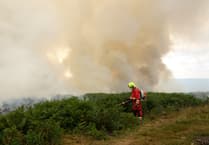
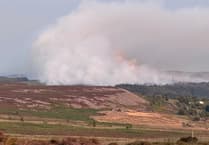
It has now been over 7 days since firefighters were first called to reports of a mountain fire above Blaenavon, as efforts to extinguish a 220 hectare blaze continue into a second week. Here is the latest rundown of what’s being done to bring the fire to a close.
A spokesperson for South Wales Fire and Rescue Service has thanked the community for their kind donations to firefighters to help them tackle the blaze around the clock. Some locals have been donating meals, while others have offered their time as volunteers even if it hasn’t been possible due to safety concerns.
“We recognise that this incident has caused concern for residents and disruption to the surrounding area. We would like to thank the public for their patience, cooperation and for the many messages of support received for emergency service personnel and partner agencies working throughout the incident,” a spokesperson for SWFRS said.
A full perimeter line, cut by fire crews alongside farmers and environment officers continues to hold. This means it has been easier to contain the fire within this area by using water bowsers to dampen the edges. Keepers Pond continues to be used as a source of water for this purpose.
While a specialist firefighting helicopter was deployed to a wildfire in North Wales to support the ongoing response to a bigger fire there over the weekend, there has been no aerial support for Blaenavon. Natural Resources Wales (NRW) will remain in close contact with partner agencies to understand the needs of firefighters and how best to assist.
Although there was some rain for the first time in weeks in the early hours of Sunday morning, the brief change in weather appeared to do little to help put the blaze to bed and smoke continues to impact communities across South Wales.
If wildfire smoke is affecting your area, stay indoors where possible and keep windows and doors closed. Once the smoke has cleared and it is safe to do so, open windows and doors to help cool your home and improve ventilation. Always carry any prescribed inhalers or medication. If you become unwell, you can get advice from NHS 111, your local pharmacy, your GP, in an emergency by dialling 999, or by attending your nearest emergency department.
Local authorities are working alongside emergency services and partner organisations to monitor this impact on local communities.
Gwent Police is supporting the emergency response and continues to assist with public safety, traffic management and maintaining access for emergency vehicles - the public has been asked to avoid the area unless absolutely necessary.
Specialist teams trained in reducing arson attempts are also working with police in the area to share prevention advice and endorse the national ‘Wildfire Wise’ campaign.
Comments
This article has no comments yet. Be the first to leave a comment.