
AS well as chasing dragons, St. David’s Day presents a perfect opportunity to dress up like a giant leek, pluck some daffodils, fry some faggots, and roast some lamb, whilst listening to Max Boyce’s Live At Treorchy on original vinyl.
But alas, as the smell of slaughtered flesh turns your stomach, Boycey’s jokes make your eyes bleed with mirth, and the eight pints of Rhymney bitter you downed with undisguised and patriotic glee earlier in the day sit like a vengeful demigod in your stomach, you begin to question your choices.
Yep! There’s a lot to be said for tradition and stereotypes. Just ask Lady Llanover!
Baroness Augusta Hall, or “The Bee of Gwent” as she was sometimes known, gave all her staff Welsh titles and made them wear fancy dress costumes which she believed was in keeping with Welsh tradition.


As a hardcore adherent to the temperance movement, she also called time on all the public houses scattered across her estate. Which entailed her poor workforce had to bear the indignity of looking like members of a slightly menacing traveling circus without the tonic of a stiff drink or ten to look forward to at the end of the day.
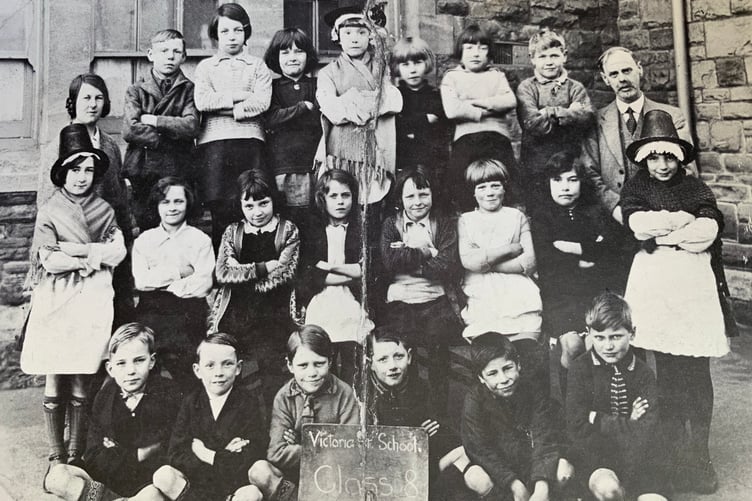
Schoolgirls all over Wales will be familiar with the unflattering and outlandish grab that Lady Llanover helped popularise.
As a schoolboy, St. David’s Day meant little more than wearing a rugby top, or for the more daring amongst us, a miner’s helmet and some liberally applied boot polish, but for the female of the species, it was eye-catching black hats and outlandish garb all the way.
Just check out this picture from Victoria Street School in 1932. It’s the pupils from Class Eight alongside their teacher Miss Derby and the Welsh-speaking headmaster Mr. Williams.
Only a few youngsters took the leap and pulled on the red gowns and black headwear but they certainly stand out, don’t they boys and girls?
Comments
We've recently changed our login process. If you have an account for commenting, you will need to re-register on the login window.
This article has no comments yet. Be the first to leave a comment.