

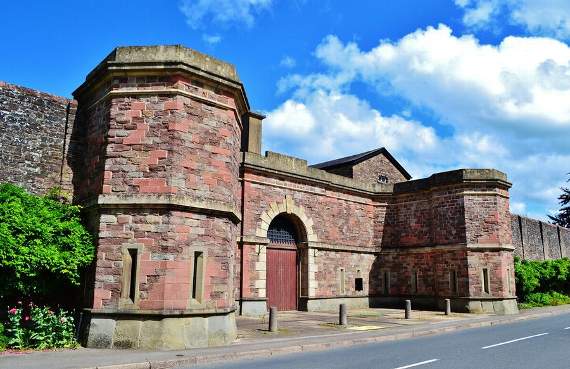
Two jointly managed prisons that received unannounced inspections as they emerged from the challenges of the Covid lockdown have received ‘excellent’ reports.
Usk Prison, where two members of staff and an inmate died during the pandemic, showed “remarkable resilience” in coping with the problems it faced.
And along with partner prison Prescoed, which includes a young offenders’ institution, it was found to “have maintained high standards of treatment and conditions for prisoners”.
Charlie Taylor, HM Chief Inspector of Prisons, said: “We judged outcomes in safety and respect to be good (our highest mark) at both Usk and Prescoed and reasonably good or better at both for purposeful activity and rehabilitation and release planning.

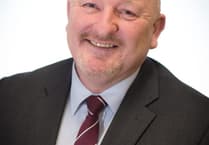

“These are excellent results made more noteworthy in that they were achieved while the prisons were still emerging from the effects of the pandemic.
“It should be noted that Usk in particular had faced very real challenges and risks in responding to Covid 19, with a generally older and more vulnerable population and the tragic loss of two members of staff and a prisoner.”
The two prisons are managed as a single establishment.
Usk, a small prison built in the traditional 19th century Pentonville style, held 220 category C prisoners, almost all of whom were serving sentences for sexual offences at the time of the June inspection.
Prescoed is an open prison in the countryside about three miles away, with a focus on the resettlement of the 231 men it held when the inspectors called.
Mr Taylor added: “In recent years the Inspectorate has routinely reported very positively on the outcomes experienced by prisoners at the two sites and this remains the case.”
Inspectors assessed that the key to the continuing success of the prisons seemed to be the quality of leadership.
“There was a genuine sense of community within the prisons with an engaged staff and generally good consultation with those held,” Mr Taylor added.
“It was clear that prisoners felt respected and supported by staff and we observed several examples during our inspection where the well-being of prisoners was at the heart of initiatives and a clear consideration in how the prison was being taken forward.”
Both prisons had moved quickly to open up their regimes and, Mr Taylor said, “it was pleasing to see that release on temporary licence (ROTL) had continued during restrictions for those Prescoed prisoners who were defined as essential workers.”
By the time of the inspection, some 60 per cent of Prescoed prisoners were benefiting from various forms of ROTL.
“More needed to be done to ensure work and education became fully operational but we had confidence in the prisons’ plans and their long-established record of delivery.”
Inspectors found a small number of issues that required further attention, including the need for some refurbishment of accommodation at Prescoed and dealing with overcrowding in Usk.
Inspectors also noted “the comparatively high number of prisoners who were returned to closed conditions from Prescoed, possibly linked to the application of a so-called ‘zero tolerance’ policy concerning the application of rules at the site.”
Overall, though, Mr Taylor said: “It was clear to us that the resilience being shown by Usk and Prescoed leaders, staff and prisoners was ensuring that those held continued to experience meaningful and positive outcomes.”
Comments
This article has no comments yet. Be the first to leave a comment.