
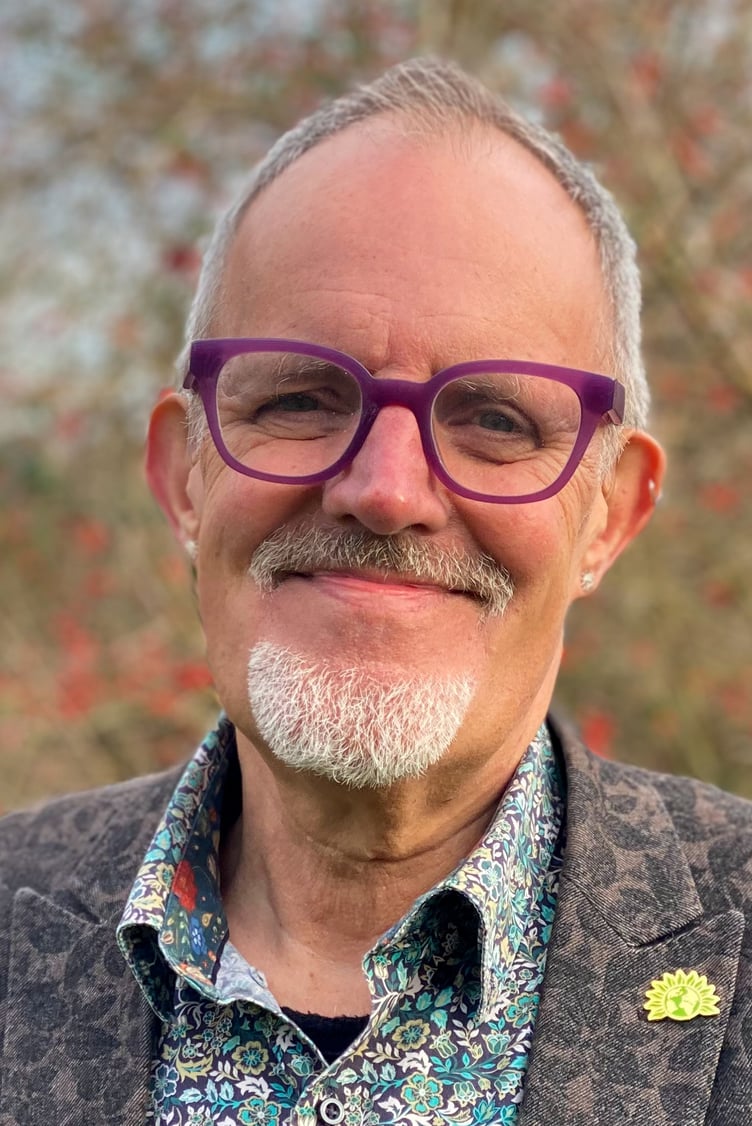
Why should decisions about our lives be made by people who don’t live them? And why, when wealth is created in our communities, should so much of it flow elsewhere?
Devolution has too often been discussed as a contest between Westminster and Cardiff Bay. Transferring power from London to Wales matters enormously. But devolution shouldn’t stop at the Senedd. We also need to bring power closer to people — to our towns, our neighbourhoods and the communities that know their own needs and ambitions best.
As a county councillor in Monmouthshire, I’ve seen what that can mean in practice. Our town-centre place-making plans have brought residents, local businesses, councillors and council officers together to discuss how our towns should develop: how their centres should look, how people can get around and how local businesses can thrive.
These aren’t simply exercises in consultation. Done properly, they give people a meaningful role in shaping decisions that affect their daily lives. They draw on knowledge that no government department can possess on its own. And they can build a shared sense of responsibility for turning plans into reality.
But localism should mean more than having a say. It should also mean having a stake.
Community wealth building is about keeping more of the wealth generated in a place within that place, creating local jobs, supporting independent businesses and strengthening the local economy. Imagine communities having a genuine ownership stake in renewable energy projects, so that the benefits of generating clean electricity help fund local priorities as well as tackling climate change.
The same principle applies to public services. Councils can achieve more by working in partnership with trusted community organisations, drawing on their relationships, experience and understanding of local needs. That doesn’t mean abandoning public responsibility or expecting volunteers to plug gaps left by inadequate funding. It means recognising that strong public services and strong communities can reinforce one another.
None of this means every decision should be made locally. National government has a vital role in tackling inequality, redistributing resources, protecting rights and ensuring that everyone can access decent services, wherever they live. Localism must not become an excuse for leaving poorer communities to fend for themselves.
The challenge is to combine national ambition with local power: to agree the outcomes we want for Wales, then give communities the resources, freedom and support to help achieve them.
This belief in national and local partnership is why I’m happy to announce that I will be standing for election as Leader of the Wales Green Party next month. I want to help build a Green movement that challenges the concentration of power, strengthens local democracy and puts communities at the heart of the changes Wales needs.


My commitment to Monmouthshire remains as strong as ever. I will continue working hard for residents, listening to their concerns and campaigning for our communities, including in next May’s county council elections. Seeking a national leadership role is not a step away from that work. It is an opportunity to build on it.
We face enormous challenges, from the climate and nature emergencies to rising inequality and growing pressure on public services. We won’t solve them by expecting distant institutions to have all the answers. Nor will we solve them by leaving every community to struggle alone.
We need a Wales that combines collective action with local initiative, public investment with community ownership, and national leadership with genuine democratic power.
Devolution should mean more than changing who makes the decisions. It should mean changing who gets to shape the future.
Comments
We've recently changed our login process. If you have an account for commenting, you will need to re-register on the login window.
This article has no comments yet. Be the first to leave a comment.