
Safety experts are warning people to be mindful in their attempts to stay cool during the heatwave this week after new research showed a shift in the causes of accidental drownings.
Data specific to Wales shows that most accidental drownings are now happening inland, not at sea. In fact, 55 per cent of deaths in 2025 occurred in rivers, lakes and reservoirs according to the National Water Safety Forum.
May and June were also the months where the most deaths in the water were recorded in Wales last year. Although twelve accidental water-related deaths have been recorded in Wales for 2025, there are a further 25 instances where the cause remains uncertain.
82 per cent of all accidental fatalities occurred when the individual was partaking in leisure activity like swimming, boating or water sports.




“These latest figures on drowning deaths in Wales are deeply concerning,” said Chris Cousens, Chair of Water Safety Wales.
“While a small overall reduction in overall drowning numbers for a second year in a row is positive, too many people are losing their lives to water related fatalities in Wales and each statistic represents a life lost and a family devastated.”
“With the summer months approaching, it's crucial for everyone to prioritise water safety. Whether you're at the beach, a river, or a lake, always be aware of the risks and take necessary precautions.”
“I strongly encourage everyone to visit the Respect the Water website to learn about water safety. Understanding how to prevent drownings can make a huge difference. Just a few moments spent on this could save many lives.”
Despite a warmer-than-average end to Spring this year, those tempted by the thought of a swim at Keepers’ Pond or any other wild swimming destination will find the water is still dangerously cold for some people.
There are major concerns around cold water shock, particularly in men aged 60-69, who are the group most at risk. 75 per cent of all deaths recorded in 2025 were male.
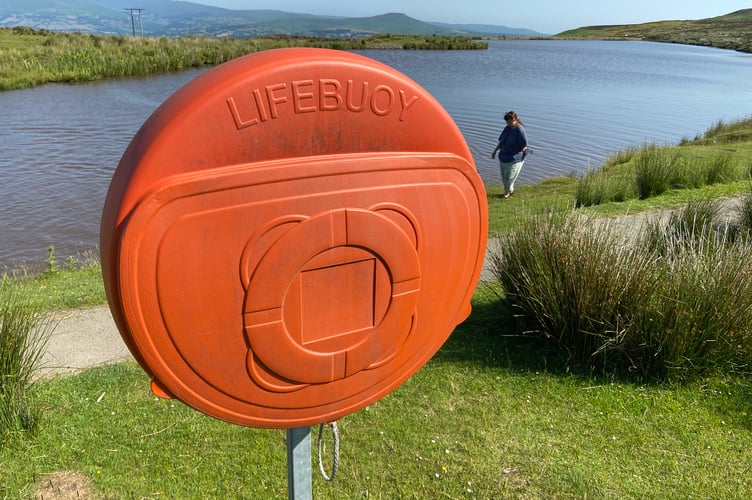
Destinations such as Keepers’ Pond are becoming better equipped with emergency equipment should it ever be required. There are life buoys at each end of the Blaenavon beauty spot, and those making the most of the weather are being urged to act if they see somebody in distress in the water.
‘Phone Float Throw’ is a new public-facing water safety campaign from Respect The Water that provides bystanders witnessing someone struggling in the water with practical instructions for how to help, without putting themselves in danger:
• Phone 999 to get help
• Tell the person to stay calm and float on their back
• Throw rescue equipment to help them float until emergency services arrive
Bystanders should not jump into the water to save anybody themselves. It can put them at an equal risk of drowning as the person they are trying to save. By staying out of the water and following the advice, anyone can still provide lifesaving help to the person in the water.
Comments
We've recently changed our login process. If you have an account for commenting, you will need to re-register on the login window.
This article has no comments yet. Be the first to leave a comment.