
Monmouthshire should benefit from a share of a £1.2bn windfall for Wales announced during last week’s much-anticipated budget.
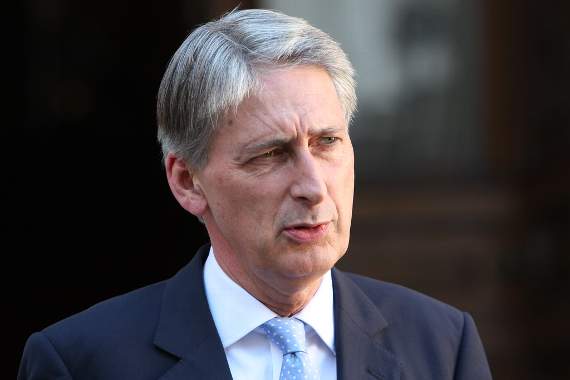
Chancellor Phillip Hammond confirmed last week Wales would see an extra £300m for each of the next four years, as he delivered a budget markedly more pedestrian in tone and substance than predecessor George Osborne’s bombastic announcements.
But the Welsh Assembly said the measure didn’t go far enough, with finance secretary Mark Drakeford claiming the extra funds lacked significance for ‘hard-pressed public services’ in Wales.
“While these small increases in the resources available to Wales are to be welcomed as they will help support our priorities, this additional funding will do little to ease the pressures on frontline public services, which have been struggling to cope as a result of the successive cuts to our budget,” he said.


Mr Hammond’s budget focused on the hot-button housing issue, abolishing stamp duty for first-time buyers of homes up to £300,000, a rule which only applies in Wales until Welsh Government implements its own Land Transaction Tax when power devolves next April.
Under these proposals, first-time buyers will have to pay stamp duty on homes up to £150,000, from the current rate of £125,000 – half that of England’s new rate.
Making the announcement, Mr Hammond said, "This is our plan to deliver on the pledge we have made to the next generation that the dream of home ownership will become a reality in this country once again.”
Monmouth AM Nick Ramsay, said it was ‘a budget that delivers for Wales’, before claiming extra funds could be funnelled into the health system.
"We have seen measures to get more people into good quality, well-paid work and to reduce that burden of income tax, leaving more money in the pockets of hardworking families," he said.
"The Welsh NHS will benefit too. Under-funded in recent years by the Labour Party, but additional investment in the English health service means that the Welsh Government has now run out of excuses to withhold the resources that frontline services so desperately need.”
The chancellor also confirmed plans to scrap the Severn bridge tolls by the end of next year.
Meanwhile the National Living Wage will increase from £7.50 to £7.83 in April and the amount workers can earn before paying tax will increase to £11,850.
But the chancellor also downgraded economic forecasts, saying the economy was now expected to grow by about 0.5 per cent slower than previously predicted, until 2022.
Duty on tobacco will increase by two per cent above inflation, with an extra one per cent for rolling tobacco, while taxes on white cider and similar drinks will rise in 2019.
All other drinks duties will be frozen, and a planned duty rise for petrol and diesel in April has been scrapped.
Comments
This article has no comments yet. Be the first to leave a comment.