

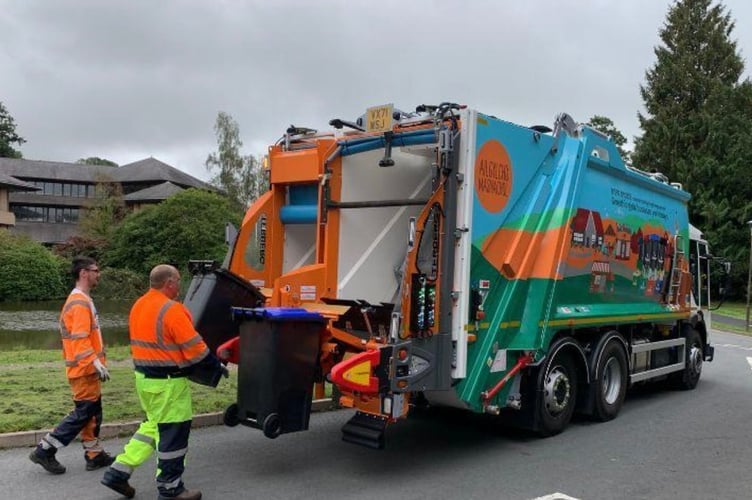
The cash savings Powys County Council expected from introducing new rubbish and recycling collection routes cannot be provided, a senior councillor has admitted. However, the Welsh Government has funded the printed booklets sent to Powys households explaining the changes and offering guidance on what can and cannot be recycled.
“
While many residents rely on digital information, a significant number still depend on receiving details through the post...
Powys County Council
From March 2, many—but not all—residents will see changes to their bin and recycling box collection days as the council rolls out “new and improved collection routes.” Earlier this month, Powys Independents joint group leader Cllr Beverley Baynham asked several questions about the costs and expected savings linked to these changes. She queried the expense of contacting every household, including printing and postage, and asked whether projected savings influenced the decision to reorganise the routes.
Responding, Cabinet Member for Highways, Transport and Recycling Cllr Jackie Charlton said the council is often criticised for poor communication when services change. While many residents rely on digital information, a significant number still depend on receiving details through the post, and the council is frequently asked to provide more direct communication.




Charlton confirmed that the Welsh Government funded the letter, booklet and delivery. The booklet was produced by WRAP Cymru at a total cost of £75,000, with no cost to Powys County Council as this formed part of the Welsh Government’s Collaborative Change Programme.
She explained that “optimising” collection routes is necessary every few years to ensure vehicle and staff efficiency. Changes since the last review in 2018 include new housing, different vehicles, new tipping points, and shifts in waste patterns, with more residents recycling and reducing residual waste.
Cllr Charlton said it is difficult to calculate cost savings due to numerous variables and the fact that route changes were required regardless. She asked residents to be patient during the initial rollout, assuring them the system should quickly settle and deliver improved service.
Comments
We've recently changed our login process. If you have an account for commenting, you will need to re-register on the login window.
This article has no comments yet. Be the first to leave a comment.