
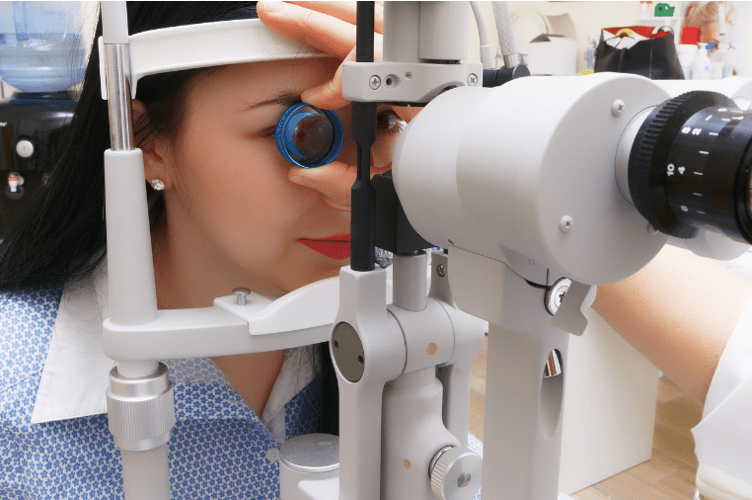
While glaucoma typically becomes more common with age, this Glaucoma Awareness Week (26 June – 2 July), Specsavers in Abergavenny and Glaucoma UK, are reminding people of all ages to have regular eye tests to help protect them from the disease, which is one of the leading causes of blindness in the world.
Ankit Shah, director at Specsavers in Abergavenny, says: ‘Glaucoma is a common eye condition where the optic nerve, which connects the eye to the brain, becomes damaged. It’s usually caused by fluid building up in the front part of the eye, which increases pressure inside the eye.


‘Our data shows that glaucoma can affect people of all ages. Although most will not experience any symptoms, glaucoma can lead to loss of vision if it's not detected and treated early. Vision lost to glaucoma cannot be recovered, but with early detection, careful monitoring and regular treatment, most people retain useful sight for life.
‘Having an eye test at least every two years, regardless of your age or whether you’re experiencing vision issues or symptoms – is so important.’
Alarmingly, a fifth of the population (21%) still don’t know how often they should visit their optician for a routine check-up and the same percentage either can’t remember their last eye examination, or have never had one. And a recent survey also showed that almost one in four (23%) had an eye test in the last two years, despite eye tests being recommended at least every two years.
Long NHS waiting lists, exacerbated by the pandemic, remain a problem as NHS eye care services are facing a growing demand for care. Latest figures show there are 628,502 people waiting for NHS ophthalmology appointments.
'Glaucoma can be symptomless, and people could lose sight to the disease before they’re able to spot the signs. An optometrist can identify glaucoma at a routine eye appointment at your local opticians, which is why we urge everyone to book an eye test and save their sight.’
Comments
This article has no comments yet. Be the first to leave a comment.