
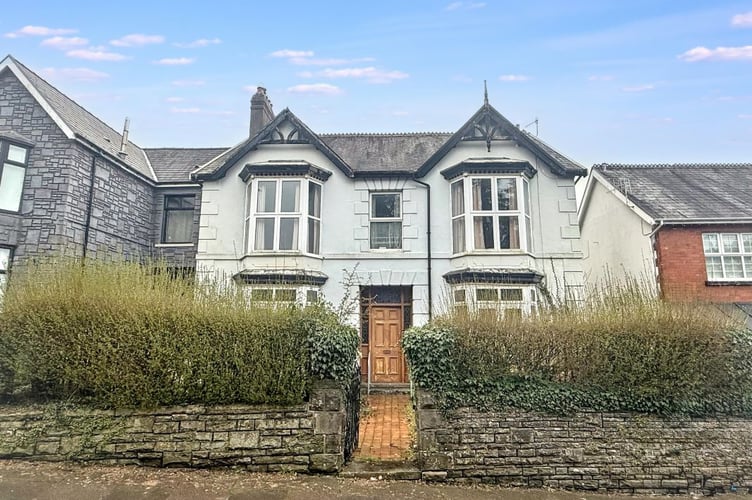
IF you are on the look out for a refurbishment project at a reasonable price then look no further than this double fronted Victorian property packed with a plethora of fabulous period features could make the perfect family home when it comes up for auction later this month.
Just a short distance from bustling Aberdare town centre, impressive, double-fronted Bryngwyn, at 35 Abernant Road has loads of space to spread out and enjoy.
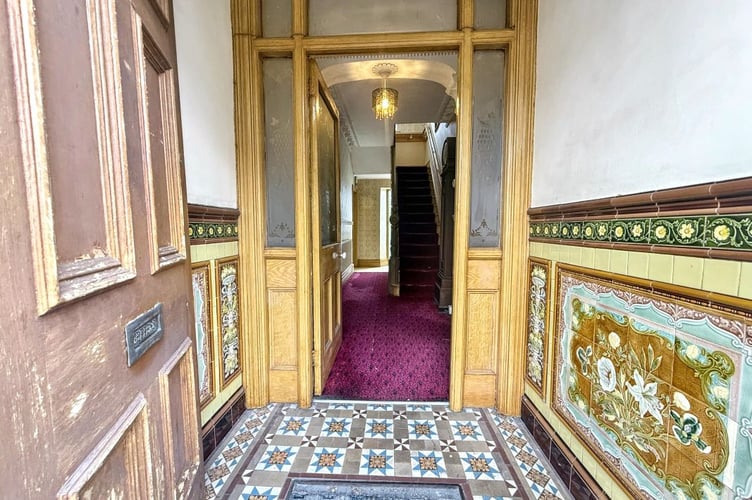
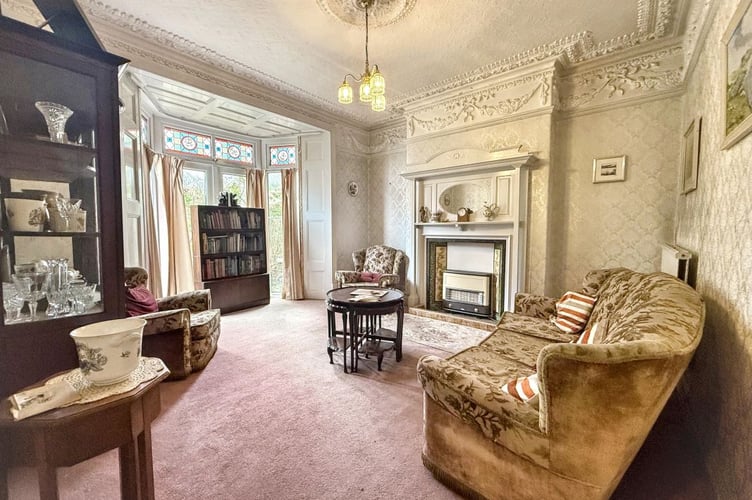
Angie Davey, of Paul Fosh Auctions who are selling the house in their online sale, said: “This wonderful four-bedroom house, bulging with period fireplaces, period floor and wall tiles, fabulous wooden stairs, wood panelling and various plaster mouldings, is truly a Victorian property dream.
“With dressing room/study offering ensuite potential there is also a bathroom and separate W.C.
“Bryngwyn also has three reception rooms as well as a gorgeous sunroom, kitchen and utility room.
“What’s more, and almost to be expected with a house of this period, there is a marvellous sized two-room cellar which offers all sorts of potential. Outside there is a front garden. The good-sized rear garden includes an attached storage room plus garage with rear lane access.
“The property, which is listed with a guide price of £159,000, is to be sold with vacant possession. Once refurbished we anticipate this spacious house could achieve the rental figure of approximately £1,400 pcm.
Aberdare, widely known as the 'Queen of the Valleys', is a town in the Cynon Valley area of Rhondda Cynon Taf, South Wales. The town is 4 miles (6 km) south-west of Merthyr Tydfil, 20 miles (32 km) north-west of Cardiff and 22 miles (35 km) east-north-east of Swansea.Aberdare has a busy and vibrant shopping centre, with modern shops mixed in with well-established outlets and historical buildings.
The town of Aberdare grew rapidly in the early 19th century through two major industries: first iron, then coal. A branch of the Glamorganshire Canal (1811) was opened to transport these products; then the railway became the main means of transport to the South Wales coast.
From the 1870s onwards, the economy of the town was dominated by the coal mining industry, with only a small tinplate works. There were also several brickworks and breweries. During the latter half of the 19th century, considerable improvements were made to the town, which became a pleasant place to live, despite the nearby collieries. A postgraduate theological college opened in connection with the Church of England in 1892, but in 1907 it moved to Llandaff.
During its boom years Aberdare was considered a centre of Welsh culture and hosted the first National Eisteddfod in 1861 an honour which was repeated again in 1885, and also in 1956 at Aberdare Park, where the Gorsedd standing stones still exist
Comments
This article has no comments yet. Be the first to leave a comment.