

In all the years I have been gardening, I have noticed that there are two things that are likely to drive people (men in particular) to despair. And that is moles and moss. The latter is so prevalent at this time of year – although the former are getting busier too.
The moss that everyone moans about at this time of year is ‘winter moss’ and is so prolific because it loves grey, dreary, damp conditions. It’s a difficult thing to advise on, although I am offered lots of opportunities to do so. If you don’t do anything about the moss in your lawns, then as soon as the conditions change to ‘unfavourable’ ones (for moss), and that means dry, warmer weather, then it will disappear of it’s own volition – until next year’s dreary, wet and cold conditions return. It’ll then be back with a vengeance as it will have sown its spores this year before quietly shrinking away.
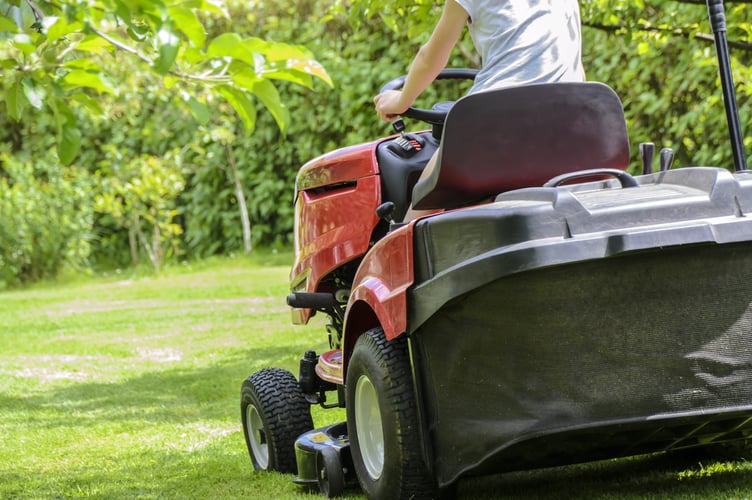



Lots of gardeners and lawn lovers will be taking action against moss. That basically means scarifying – which will remove the moss but not the grass - and then aerating the soil and over sowing with grass seed, if and where necessary. It is basic lawn care and Granddad used to do it religiously, as does my brother (the Lawn Ranger), whereas I tend to go for the former option of ‘this too shall pass’, although I’m not sure that was meant to be relevant for moss.
My and my brother’s lawns couldn’t be more different and I know mine makes him ‘itch’, as it is now still uncut and home to lots of bluebells and wild primroses. I do try and keep the primroses to ‘certain areas’, as they’re more effective en mass but the bluebells are ‘free-roaming’. Once they have finished flowering and the leaves have died back, I’ll mow the lawn, with the blades high in order to keep the celandines and dandelions intact for the bees. I also have a rather impressive display of fox and cubs (the plant not the animals), which will be prioritised over mowing in the summer.
I remember being told that if you ask 10 beekeepers the very same question then you’ll get 10 different answers and gardening is much the same. So much of it is personal preference and should be a real opportunity to do things your way and create the kind of space that brings you pleasure and peace.
Fed up with trying to dodge the wintery showers in my garden last weekend, I enjoyed a bit of baking. Very much encouraged by Tim Spector, I baked my third batch of beetroot brownies (they freeze fabulously) – and highly recommend them as a way to getting one of your ‘five portions of fruit and veg a day’.
I love the fact that I am using my nan’s huge old mixing bowl and spatula and feel they pretty much know what they’re doing already. Including veggies in brownies, cakes and even bread is a great way to increase your fibre and nutrient intake as well as giving you an extra incentive to grow your own veggies. Beetroot is one of the easiest things to grow – and is what my dad gave me to grow in my very first veggie patch aged about four. Courgettes are also easy to grow, prolific at harvesting time and are great in brownies, breads and cakes. There are lots of recipes online – do look for the courgette and cheese bread, it’s lovely. And, when you put your seed orders in, remember to order for the ‘baker’ as well as the gardener and cook.
Comments
We've recently changed our login process. If you have an account for commenting, you will need to re-register on the login window.
This article has no comments yet. Be the first to leave a comment.