

The Avian Influenza Prevention Zone declared by the Welsh Ministers on December 6 2016 will remain in place until February 28 2017 it has been announced.
The zone covers the whole of Wales and means extra biosecurity measures for all poultry and captive birds to protect them from the risk from wild birds.
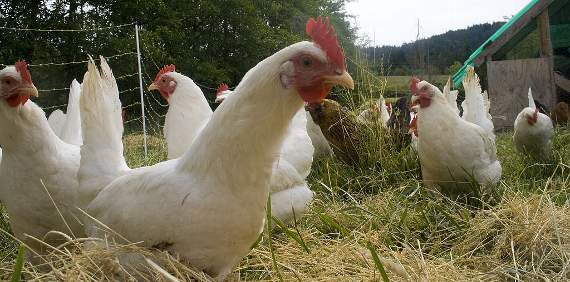
The zone requires the immediate and compulsory housing of domestic chickens, hens, turkeys and ducks, or where this is not practical, their complete separation from contact with wild birds.
For farmed geese, gamebirds and other captive birds, keepers should take practical steps to keep these birds separate from wild birds.




AI is a disease of birds. Humans can become infected but rarely are. There are many strains of AI viruses which vary in their ability to cause disease.
Some strains of HPAI can spread easily and quickly between birds in poultry populations and cause severe disease, with a high death rate.
A risk to the global human population may be posed by a new influenza virus that significantly differs from recent or existing strains of human influenza viruses. Therefore, any outbreak of AI must be controlled quickly. Anyone that works in close contact with infected birds must be well protected. Contingency plans are in place to ensure this can be achieved.
It is vital that all bird keepers continue to practice the highest levels of biosecurity and be vigilant for any signs of disease. If you are concerned about the health of your birds you should seek advice from your veterinary surgeon. If you suspect that your birds have AI, you should report it to your local Animal and Plant Health Agency office.
A Risk Assessment on the likelihood of spread of avian notifiable disease associated with bird gatherings has been prepared by the Animal and Plant Health Agency (APHA) and in consideration of the assessment, the Cabinet Secretary for Environment and Rural Affairs, Lesley Griffiths has announced a further precautionary measure with the introduction of a temporary suspension on gatherings of some species of birds in Wales.
The ban on gatherings applies to poultry, including chickens, turkeys, ducks and geese, and restricts events such as fairs, markets, shows, sales or exhibitions. Similar bans have been introduced in England and Scotland, ensuring a consistent GB approach.
The ban does not apply to pigeons or aviary birds which present a much lower risk of passing the disease to domestic poultry. These arrangements will be kept under review and may be lifted or amended if the risk level changes.
The decision to extend the prevention zone comes as Chief Veterinary Officer for Wales Christianne Glossop has confirmed Avian Influenza H5N8 in a back yard flock of chickens and ducks on a premises near Pontyberem, Carmarthenshire.
Prior to confirmation it was decided to cull the birds on strong suspicion of disease.
A 3 km Protection Zone and 10 km Surveillance Zone have been put in place around the infected premises, to limit the risk of the disease spreading and as part of the wider surveillance and disease control measures.
Advice for bird keepers
All bird keepers must take extra biosecurity steps, including:
• minimising direct and indirect contact between poultry and wild birds
• making sure that feed and water can’t be accessed by wild birds
• taking all reasonable precautions to avoid the transfer of contamination between premises, including cleansing and disinfection of equipment, vehicles and footwear
• reducing the movement of people, vehicles or equipment to and from areas where poultry or captive birds are kept
• implementing effective vermin control programmes around buildings where poultry or captive birds are kept
• thoroughly cleansing and disinfecting housing and equipment at the end of a production cycle
• keeping Defra-approved disinfectant at the right concentration at key points such as farm entrances and entrances to bird houses
Comments
This article has no comments yet. Be the first to leave a comment.