
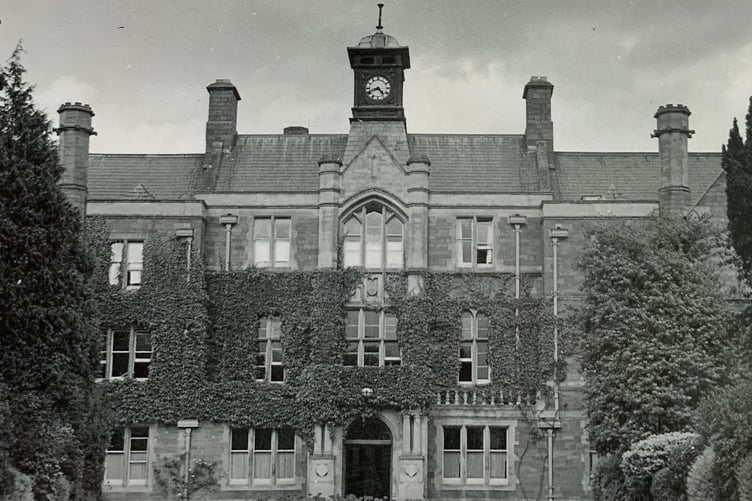
IN Victorian times being committed to a “lunatic asylum” was considered a fate worse than prison. These forsaken outposts of ennui and despair were the last place any mentally unwell person would want to end up if they were to have more than a snowball’s chance in hell of getting fighting fit again.
There was more horror than healing to be found behind the imposing doors of these guarded buildings which became all the rage under the reign of the Widow of Windsor - Queen Victoria. In short, no matter how accommodating their regime, they were prisons disguised as hospitals. Patients were not treated like people who needed help, but more like dangerous wild-eyed beasts whom the public needed protecting from, less their lunacy infected the greater good like a particularly potent parasite.
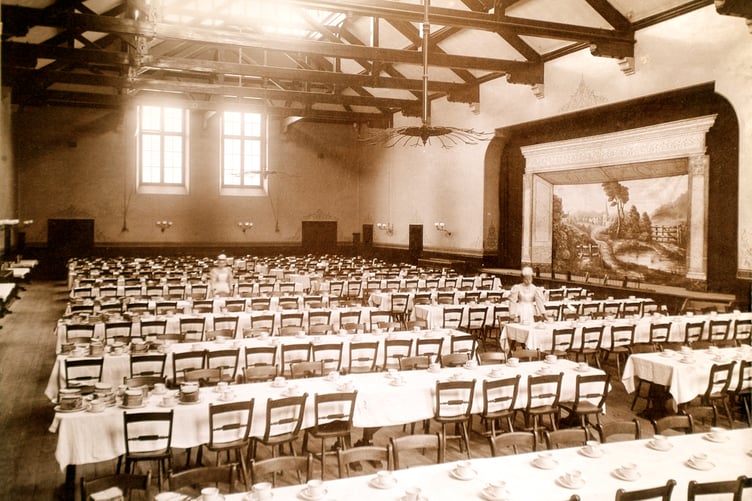
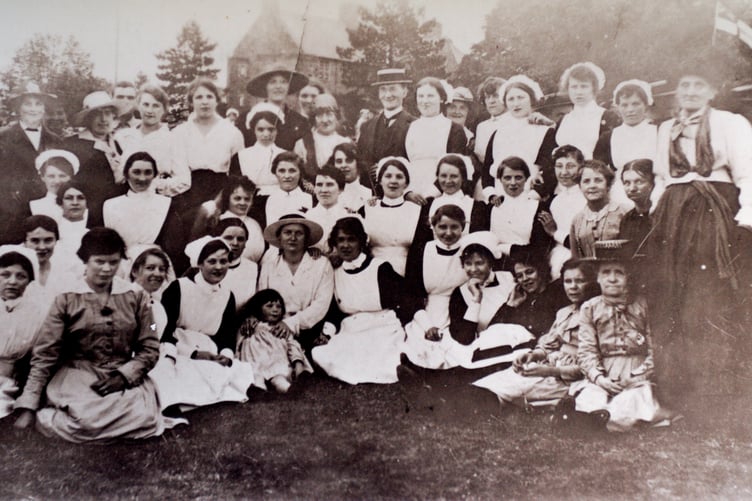
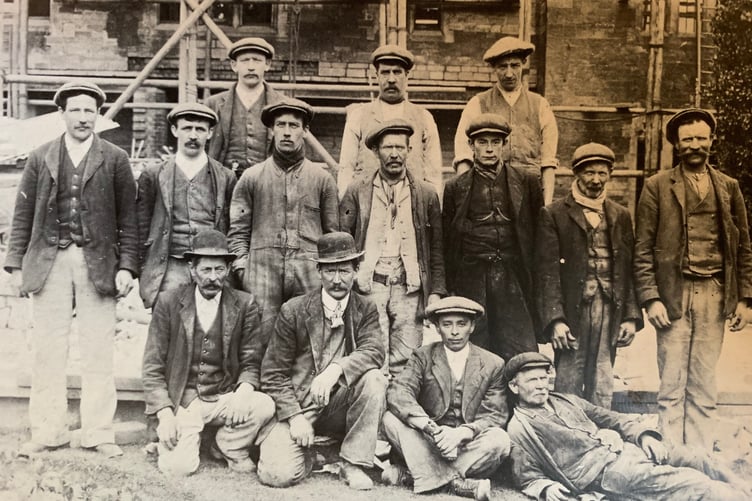
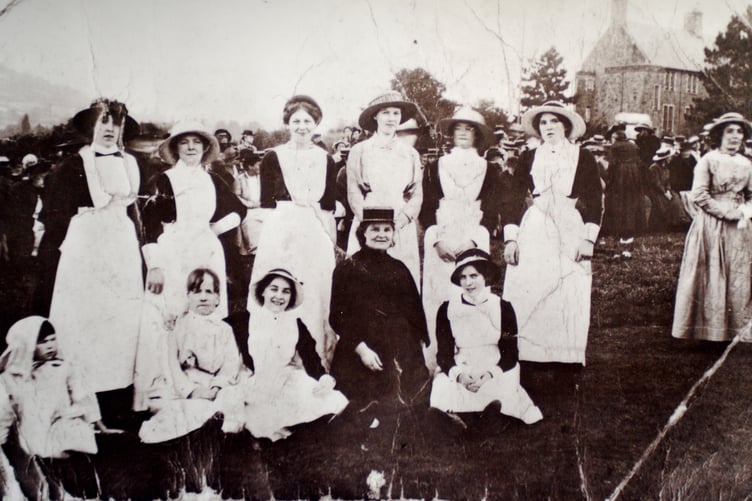
Originally known as the Joint Counties Lunatic Asylum, and later the Monmouthshire Mental Hospital, the sprawling Tudor Gothic-style institution which overlooked and cast a shadow over Abergavenny for well over a century was erected in 1851 and named Pen-y-Fal.
Initially intended to house a maximum of 210 patients, the hospital was catering for well over twice that number by 1867 and subsequent extensions to the main hospital entailed that eventually Pen-y-Fal housed a staggering 1,170 inmates and covered 24 acres of ground.
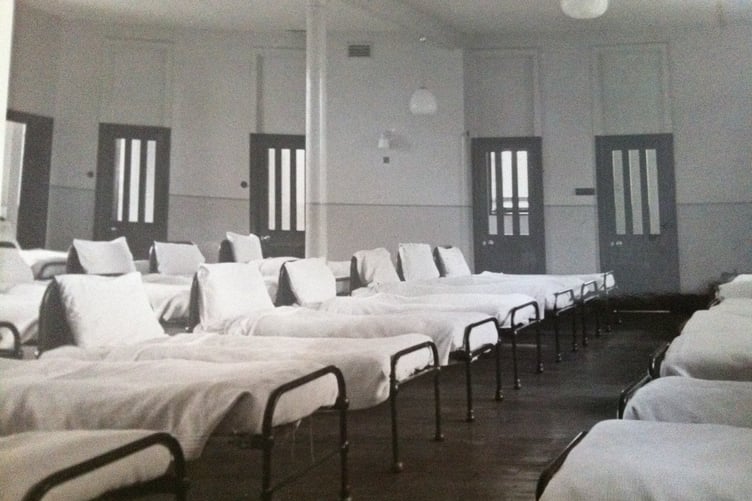


In its early days, postnatal depression, alcoholism, senile dementia, or even infidelity, which was then classed as ‘moral insanity,’ were grounds enough to have you committed indefinitely to its grim environs.
All the authorities needed was a doctor’s certificate and a relative’s signed agreement that you were in desperate need of special measures and away with the men in white coats you would go. In fact, ‘gone to Abergavenny’ used to be a metaphor in the South Wales valleys for going insane.
Pen-y-Fal finally closed its doors for the last time on August 17, 1996, and a large part of the original building still stands as part of a sprawling housing development that is riddled with an abundance of clues and pointers as to the former legacy of the site.
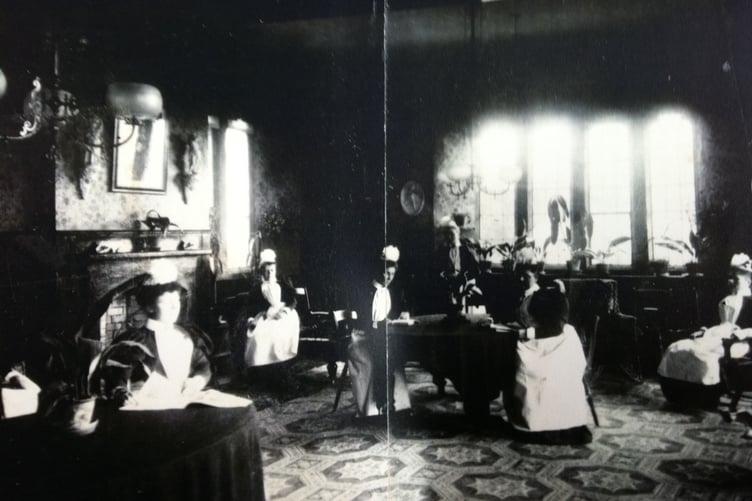
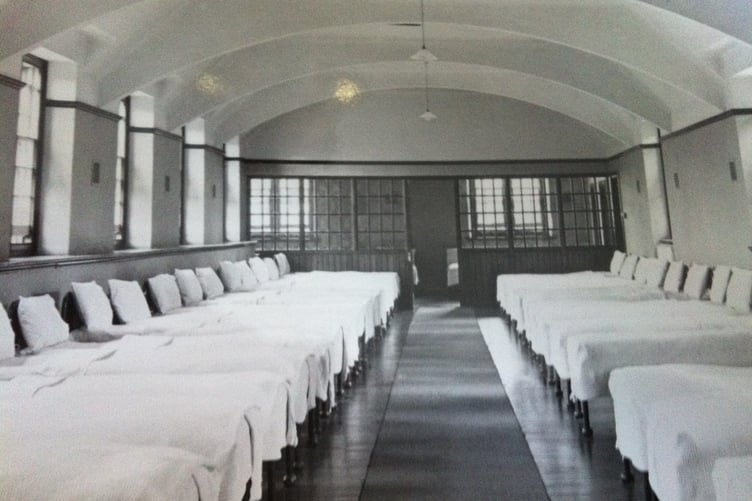
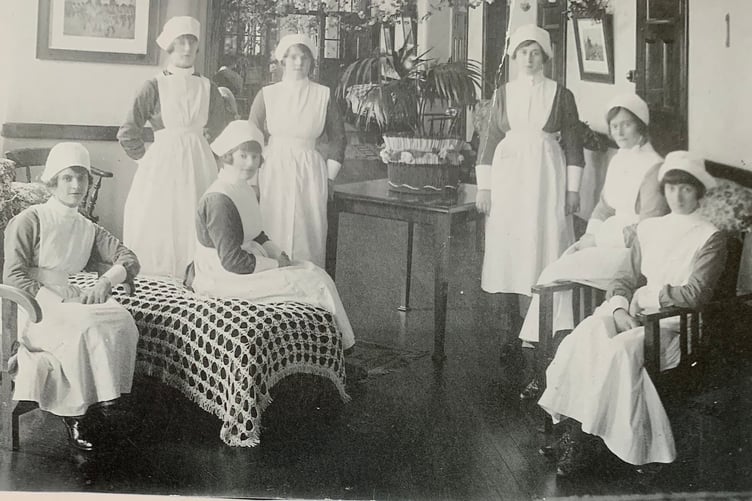
Not least the innocuous and pleasant grassy verge where today children play and dogs walk, and beneath, three thousand poor souls are buried in unmarked graves.
Their tales may be forgotten but the story of their lives remains a valuable lesson to us all.
All pics courtesy of the late David Bowen.
Comments
This article has no comments yet. Be the first to leave a comment.