
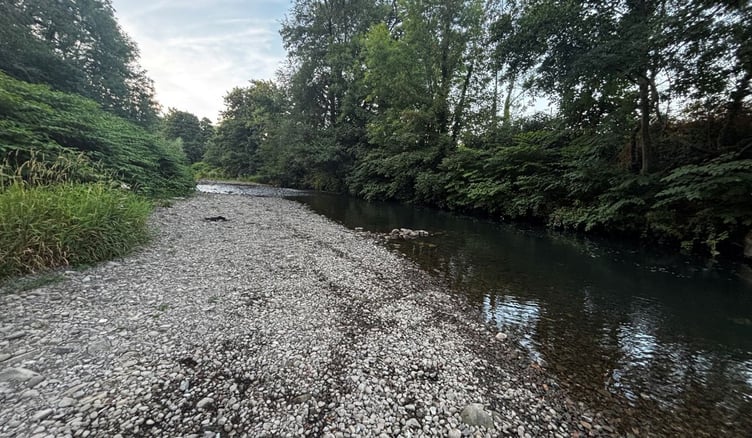
South east Wales is still under drought conditions, as confirmed by the environment watchdog for the country this week, but the overall picture shows improvement.
Rivers across the area, including the Usk, Wye and Severn have not responded as quickly as others to recent rainfall and their levels remain low fr the time of the year. Natural Resources Wales (NRW) has said enhanced environmental monitoring will continue heading into October.
Water activities at Keepers Pond have also been stopped until the Bannau Brycheiniog National Park says so due to the severely low water level there. It had been used a vital source of water to tackle wildfires across South Wales.
Drought was first declared in north Wales on July 23 this year, while the rest of the country followed a week later on July 30. That month was the driest since records began 190 years ago, and the driest two-month period across July and August since 1976. According to the Met Office, this year’s summer is thought to be the hottest ever recorded.
Now, while the focus has shifted to recovery efforts following the dry spell, the effects are still being felt across the area.
“The heatwaves over the summer intensified the dry conditions, causing a rapid deterioration of the environment and widespread impacts to waters, soils, wildlife and habitats,” said Rhian Thomas, Sustainable Water and Nature Manager from NRW.
“While it’s promising to see signs of recovery, we cannot be complacent. We expect it will take time, and more sufficient rainfall into the autumn before the environment fully recovers, and we will be closely monitoring conditions in the weeks and months to come.”
“With Wales reaching drought conditions for the last two summers, we must all be prepared for more frequent droughts in the future. As our climate continues to change, we expect to see a shift towards hotter, drier summers and wetter winters, with water less reliably available throughout the year.”
“We are already planning for climate change in everything we do across our remit. This includes drought planning for the future and setting guidance for water company long-term planning. Our aim is to support a Wales which is more resilient to drought in the future.”
As of this week, Wales had seen 78 per cent of the expected rainfall for September.



While areas in Wales remain in drought, NRW continues to advise the Welsh Government’s Drought Liaison Group to share information and advice on current environmental conditions. This includes representatives from the agricultural sector about the ongoing impacts of the drought on crop production and supplementary feeding for livestock.
Teams continue to work closely with colleagues in the Environment Agency in England for cross-border rivers such as the River Seven and Rive Dee.
Anyone concerned about ongoing impacts of the drought on the environment, or pollution, should submit an incident report or contact NRW’s incident hotline on 03000 65 3000.
Members of the public are also being encouraged to continue to use water wisely into the autumn/winter to support nature’s recovery.
Comments
This article has no comments yet. Be the first to leave a comment.