
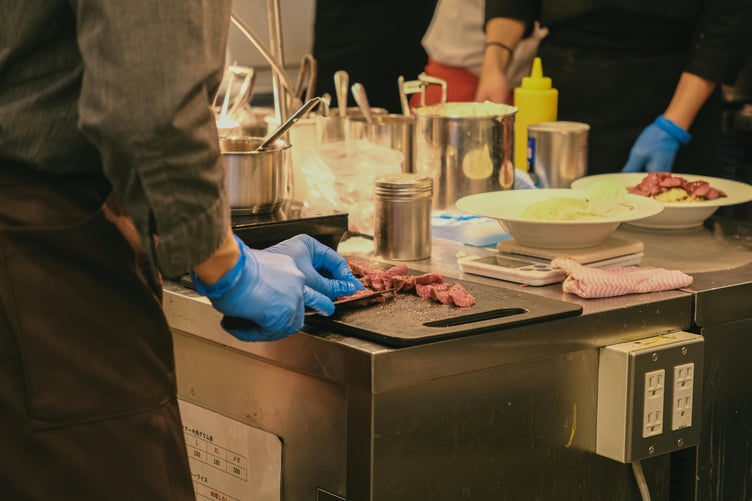
Local food businesses face a range of operational challenges, from maintaining hygiene standards to complying with environmental regulations and managing daily workflows efficiently. Among these challenges, waste management often requires particular attention, as kitchens generate different types of by-products that must be handled safely and consistently. A structured approach to waste solutions can therefore support not only regulatory compliance but also smoother day-to-day operations for restaurants, cafés and catering services.
Managing diverse waste streams in professional kitchens
Professional kitchens rarely deal with a single type of waste. Food residues, packaging materials and used oils all form part of the operational reality of food preparation. Each stream has its own handling requirements, and overlooking one aspect can disrupt the overall organisation of the workspace. By considering waste management as a comprehensive system rather than isolated tasks, businesses can create clearer procedures that are easier for staff to follow during busy service hours.
Within this wider framework, oil collection represents one specific flow that needs to be coordinated alongside other types of kitchen waste to ensure consistency and cleanliness.




Improving hygiene and operational consistency
Well-defined waste procedures help maintain a cleaner and more organised working environment. When disposal points, storage containers and collection schedules are clearly established, staff can work more efficiently without hesitation about how to handle different materials. This consistency reduces the risk of spills, unpleasant odours or cross-contamination, all of which can affect hygiene standards and staff comfort while also simplifying daily routines.
Meeting local regulations and environmental expectations
Local authorities increasingly expect food businesses to demonstrate responsible waste handling practices. Compliance involves not only proper storage and separation but also ensuring that waste is transferred through appropriate channels. By relying on organised collection systems, businesses can show that their waste streams are managed according to established guidelines, which is essential for inspections and ongoing regulatory obligations.
The value of reliable collection partners
Coordinating multiple waste streams internally can place additional pressure on small and medium-sized food businesses. Partnering with specialised providers allows them to integrate professional solutions into their routines without diverting attention from core activities. Services focused on waste cooking oil collection, for instance, can be scheduled in line with kitchen needs, ensuring that this specific by-product is handled regularly and predictably.
Working with established operators such as Quatra enables businesses to incorporate these services into a wider waste strategy that supports both operational reliability and regulatory peace of mind.
Comments
This article has no comments yet. Be the first to leave a comment.