
The Welsh Government has launched a twelve week consultation on its proposed changes to the tax rules for self-catering properties.
It began on Friday July 31 and will run until October 2023 and if Plaid Cymru’s proposals materialise, self-catering properties in Wales could qualify for non-domestic rates instead of council tax.
A review of the so-called ‘182-day rule’ will also be considered. Currently, properties must be available to let for at least 252 days of the calendar year and must be booked for 182 of those days. Critics have previously argued that the threshold is too high and has resulted in tourism businesses being treated in the same way as second home owners.
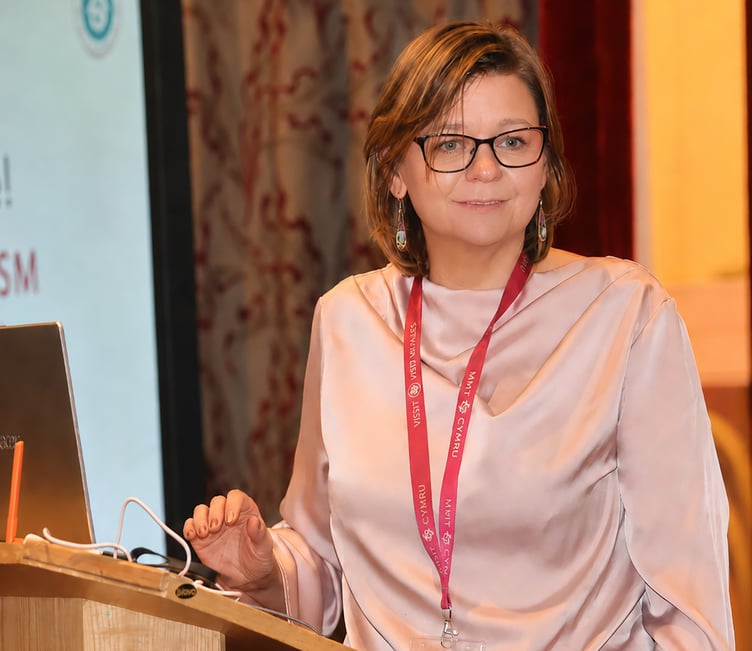
Zoë Hawkins, Mid Wales Tourism Cymru’s chief executive, said: “We welcome this consultation and the speed with which the new Welsh Government has brought it forward. We are pleased to see this recognised as an early priority and hope it signals a clear commitment to supporting a sector that makes a vital contribution to the rural economy.”
“The policy in its current form has resulted in genuine tourism businesses being treated in the same way as second homes. Many are purpose-built units, farm diversification businesses or properties that form part of a family home and could not reasonably be used as permanent residences.”
“The proposed exemptions are therefore hugely important. If introduced, we hope they will help ease the considerable financial pressures and uncertainty facing many families, businesses and communities across rural Wales.”
However, the news for visitors to Wales may not be as beneficial to personal finances. The so-called ‘tourism tax’ - introduced by Welsh Labour - is set to stay after surviving a recent attempt by Reform UK to scrap the policy. They tabled the motion in the Senedd in July and said a “modest reduction” in the 182-day rule might not provide enough support for the tourism sector.
It is up to local authorities in Wales to decide to enforce the levy, but at £1.30 +VAT per person, per night for most types of holiday accommodation (75p for tent pitches, hostels and dorms), it could generate up to an estimated £33 million per annum across Wales if all councils opted in.
But Cabinet Minister for Finance, Elin Jones MS, has said there needs to be a fair balance between keeping homes occupied while giving the tourism sector support. Some second home owners in Wales pay triple the amount of normal council tax in some instances, and some say that the current rules can lump tourism businesses into the same category.
“Our manifesto included a commitment to keep the 182-day letting threshold under review and create clear and reasonable new exemptions where self-catering accommodation would not qualify as a private home,” Ms Jones said.




“I have heard representations from a number of businesses that are making meaningful contributions to their local economies but are unable to meet the current threshold.”
“This consultation will help us find a solution that works better for everyone, including businesses, local authorities and local areas. I am committed to getting the balance right, keeping homes in our communities while giving tourism the support it needs to thrive.”
Comments
This article has no comments yet. Be the first to leave a comment.