
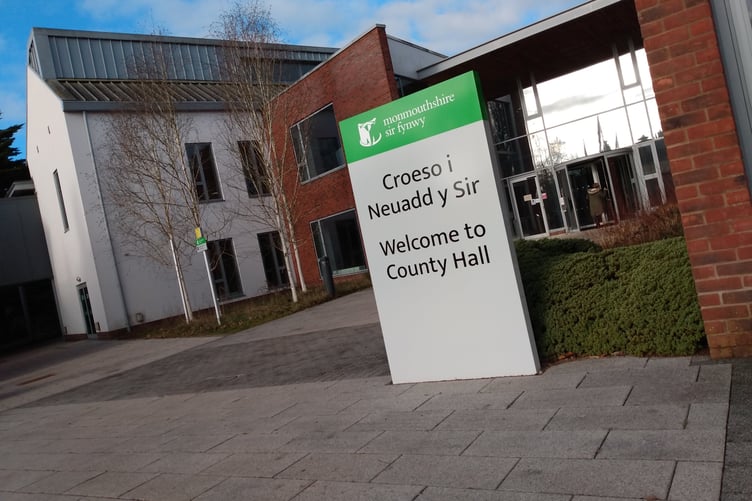
A COUNTY where schools are millions in the red has appointed an education improvement officer on a salary of up to £90,000 a year.
Monmouthshire County Council has named Adelaide Dunn as its new head of service for school improvement and partnerships.
She joins the authority amid mounting concern at school budget positions which are described as a risk to the council’s finances.
Councillors have demanded action on reducing the deficit in the cumulative reserve shared between all 34 schools and the council run pupil referral unit for children unable to attend mainstream school which is expected to hit £9.3m by the end of the financial year in March.
The fund was already £6.8m in the red at the start of the financial year and schools are expected to draw down a further £2.4m during the year, which is £17,000 more than originally planned, leading to the predicted £9.3m figure and 18 schools, including all four secondaries, ending the year in deficit.
When members of the council’s scrutiny committee were updated on school balances this week the council’s assistant head of finance reminded councillors schools are responsible for their own budgets but said they are supported by the council.
Jonathan Davies said: “The onus is there on financial resilience on their part as much as there is for delivering educational standards.”
In September the full council had passed a motion that called on the authority to reduce the deficit but without impacting school staffing levels, even though individual schools are responsible for managing their budgets and staffing decisions.
Will McLean, the council’s director of education, said deficit school budgets aren’t unique to Monmouthshire and said: “We are facing a crisis engulfing nearly every education authority in Wales at the moment.”
He said demand for additional learning needs, or ALN, support is helping to push up costs while a report said “staffing and specialist resource required to maintain appropriate provision” in schools to address continued poor attendance and behaviour are also “principle drivers” of the deficit positions.




Mr McLean also said as a last resort the council can take direct control of a school’s budget if its leadership fails to act on agreed actions and respond to warnings.
Recovery plans aim to reduce the overall deficit position to just over half a million pounds by 2032/33.
The report stated the school deficit position “impacts upon the council’s overall financial resilience and increases its risk exposure by reducing available balance sheet resources.”
Ms Dunn is expected to join the council at the beginning of the new year from the Local Authority School Improvement Service which works with Monmouthshire and other Gwent councils to support schools.
The post is within band B of the council’s leadership salary structure which has a range of £86,449 to £90,661 a year and also includes overseeing the strengthening of partnerships across education and to support continued improvement in educational standards and pupil wellbeing.
Comments
We've recently changed our login process. If you have an account for commenting, you will need to re-register on the login window.
This article has no comments yet. Be the first to leave a comment.